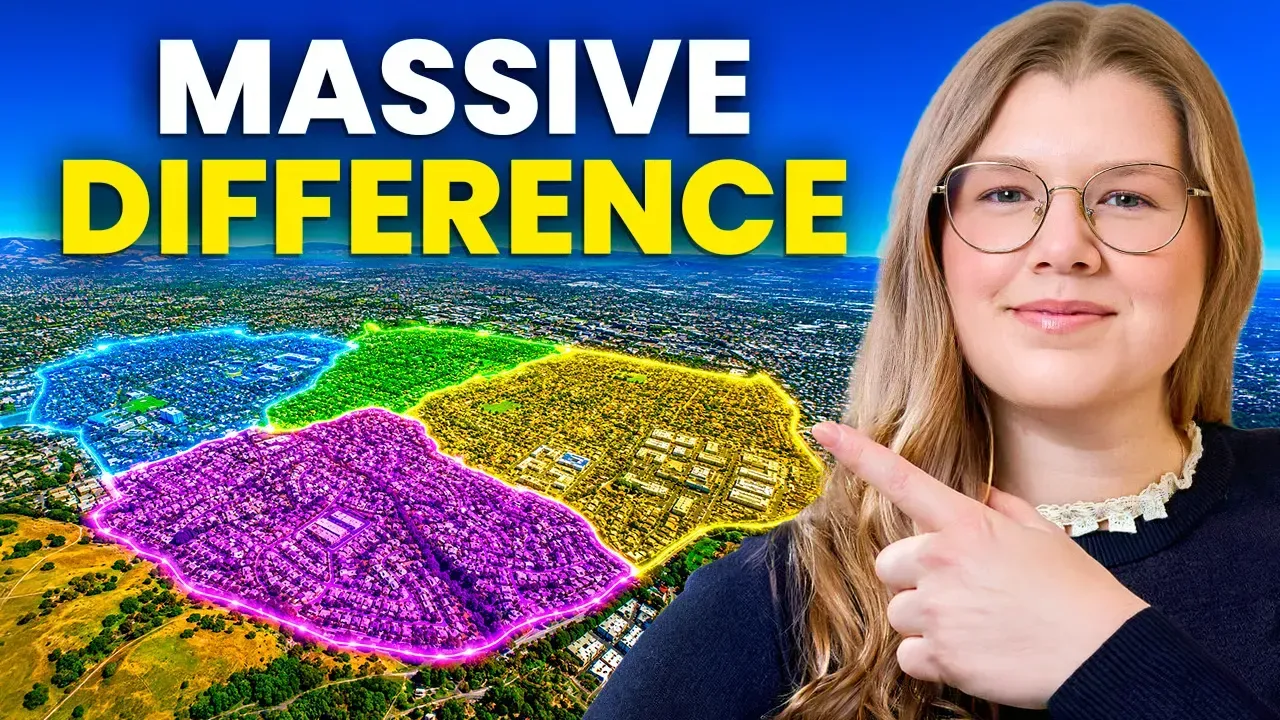
If you are pricing a move by looking up the average home price in Santa Clara County, I have some advice: close that tab for a moment. The number might be accurate as a countywide statistic, but it can give you a completely false picture of what you will face when you start making offers.
Living in Silicon Valley is not one housing market. Buying a detached home in Palo Alto or Mountain View is a different financial proposition from buying one in parts of San Jose. Cross into San Mateo County, and the range stretches from relatively lower-priced northern cities to the private estates of Atherton.
For anyone moving to Silicon Valley, housing is a huge part of the cost of living in Silicon Valley. The useful question is not simply, “What is the county median?” It is, “What do homes like the one I want actually sell for in the neighborhoods I would choose?” Here is the local breakdown, using market figures available at the time of this September 2026 update.
Table of Contents
- Cost of Living in Silicon Valley: Why County Averages Mislead
- San Mateo County Home Prices and Cost of Living
- Santa Clara County Home Prices and Cost of Living
- Silicon Valley Peninsula Home Prices by City
- Redwood City Development and Future Growth
- What Buyers and Sellers Should Know
- FAQs About Living in Silicon Valley
Cost of Living in Silicon Valley: Why County Averages Mislead
A county median compresses many different homes and locations into one figure. It does not tell you how close a house is to a major employer, whether buyers are competing for a small pool of listings, or how much a particular neighborhood commands for its lots and location.
That distinction matters because the two counties at the heart of this market each contain enormous price differences. San Mateo County’s detached-home median is around $2.2 million, yet the prices discussed here run from roughly $1.1 million at some northern entry points to $10 million in Atherton. Santa Clara County’s single-family median sits around $1.65 million to $1.85 million, but its North County tech corridor and San Jose operate very differently.
Think of those county figures as a starting point, not a budget. When you are planning the cost of living in Silicon Valley, your map should come before your price filter.
San Mateo County Home Prices and Cost of Living
At the time of this update, San Mateo County had just under 500 active single-family listings across the entire county. That is tight supply. The median detached-home price was hovering around $2.2 million, while a turnkey house could go pending in approximately 11 to 14 days. Homes were routinely selling for about 104% to 106% of their list price.
That competition makes sense to me. Buyers seeking access to San Francisco, Sand Hill Road, and the broader Peninsula often find San Mateo County a convenient central choice. But “San Mateo County” is too broad to be a useful search area on its own:
- Atherton and Menlo Park: At the luxury end, single-family entry points can run from about $3.5 million to well over $10 million.
- San Carlos and Burlingame: Homes in these central communities generally fall around $2.1 million to $3 million in this snapshot. Downtown areas, community feel, and access to schools are important considerations for many buyers.
- South San Francisco and Daly City: Single-family entry points can be closer to $1.1 million to $1.4 million. The trade-off may be a less central location for your particular commute, along with more time getting acquainted with Karl the Fog.
A $2.2 million median does not mean you need $2.2 million everywhere, and it certainly does not mean $2.2 million will buy the same house everywhere. If you are weighing living in Silicon Valley against a Peninsula location, draw your commute and neighborhood boundaries first. Then compare prices within those boundaries.
Santa Clara County Home Prices and Cost of Living
Santa Clara County had roughly 1,200 single-family homes for sale when I put this snapshot together. Its countywide median was around $1.65 million to $1.85 million. That headline sounds more approachable than San Mateo County’s, but it hides the most important split in the local market.
The North County Tech Corridor
Palo Alto, Mountain View, and Sunnyvale form one engine. These communities sit close to major tech employment centers, and buyers pay for that location. In Sunnyvale, the single-family median was around $1.8 million to $2 million, with school access and short commutes helping drive demand.
Mountain View’s detached-home inventory was down to a handful of listings. Buyers with substantial cash down payments were securing houses in under 10 days, while others waited for the next suitable property. Across this North County pocket, do not assume a countywide median signals a discount. Bidding wars remain a normal part of the experience when a desirable single-family home comes up.
San Jose’s Wider Range Of Entry Points
San Jose is the second engine, and it gives buyers a much wider range of options. Its overall single-family median was around $1.5 million, but the city is far too large to treat as one uniform market.
In premium pockets such as Willow Glen, Almaden Valley, and West San Jose, single-family prices can match Sunnyvale’s, at roughly $1.8 million to more than $2.5 million. Look instead at parts of South, East, or Central San Jose, and entry-level detached houses may fall around $950,000 to $1.2 million.
That does not make every home in one part of San Jose directly comparable to every home in another. It does mean buyers moving to Silicon Valley should decide which trade-offs work for them rather than accepting a broad claim that “Santa Clara County is stabilizing.” North County can be intensely competitive while San Jose offers a broader entry range at the very same time.
Silicon Valley Peninsula Home Prices by City
If you want to see how sharply the cost of living in Silicon Valley changes from one community to the next, look at four frequently requested single-family markets: Atherton, Palo Alto, Menlo Park, and Redwood City.
Atherton: Privacy And Scarce Land
Atherton’s median home price was approximately $10 million in this snapshot. Bloomberg had also reported its return to the top of a ranking of the country’s most expensive ZIP codes. Here, the draw is not a busy downtown. It is land, privacy, and a very limited supply of large estates.
Tech founders and executives looking for private properties are part of that market. Even at roughly $10 million, a home priced appropriately can move in under two weeks. Atherton Avenue tells much of the story: gated properties, tree-lined streets, and new construction reinforce how different this market feels from a typical citywide home search.
Palo Alto: Fierce Competition Near Stanford
Palo Alto sits near Stanford and a major venture capital ecosystem. Its single-family median was around $3.5 million, with homes spending fewer than two weeks on the market and buyers commonly paying about 106% to 108% of list price. Low inventory and all-cash competition help explain why an attractive listing can become a serious contest.
Of course, living in Silicon Valley is about more than a sale price. Palo Alto also attracts people for its schools and beautiful community. It is easy to understand why residents who enjoy those qualities may find it hard to leave.
Menlo Park: Lots, Rebuilds, And A Neighborhood Feel
Between Atherton and Palo Alto, Menlo Park had a single-family median around $3.3 million and homes averaging approximately 10 days on the market. Buyers priced out of Atherton may look here for larger lots and the chance to rebuild, while others value the neighborhood feel and school access.
Teardowns and rebuilds are a visible part of this market. If a lot is your priority, compare the property itself as carefully as you compare the asking price. The existing house and the land may appeal to very different buyers.
Redwood City: More Price Variety And Fast Sales
Redwood City’s single-family median was about $2.4 million, but that figure also masks a range. Some homes nearer Highway 101 were selling for roughly $1.3 million to $1.5 million, while larger hillside estates could exceed $3 million.
Speed is Redwood City’s standout feature: homes were going pending in around nine days. I often suggest it to buyers who want to explore what their budget can purchase relative to Palo Alto and Menlo Park, a short drive away. Still, value is personal. If school ratings are high on your list, check the specific neighborhood and schools rather than assuming every Redwood City address will meet your needs.
Redwood City Development and Future Growth
When thinking about living in Silicon Valley over the next five to 10 years, I pay attention to where major institutions and developers are putting their energy. Redwood City has several projects worth knowing about. None guarantees what a particular house will be worth in the future, but each can change how an area functions and feels.
ELCO Yards is a large mixed-use project along El Camino Real near the Caltrain station. Plans described in this update include more than 500,000 square feet of modern office space, public parks, childcare facilities, and new residential space. It is a substantial change to the area around the station, not simply another office building.
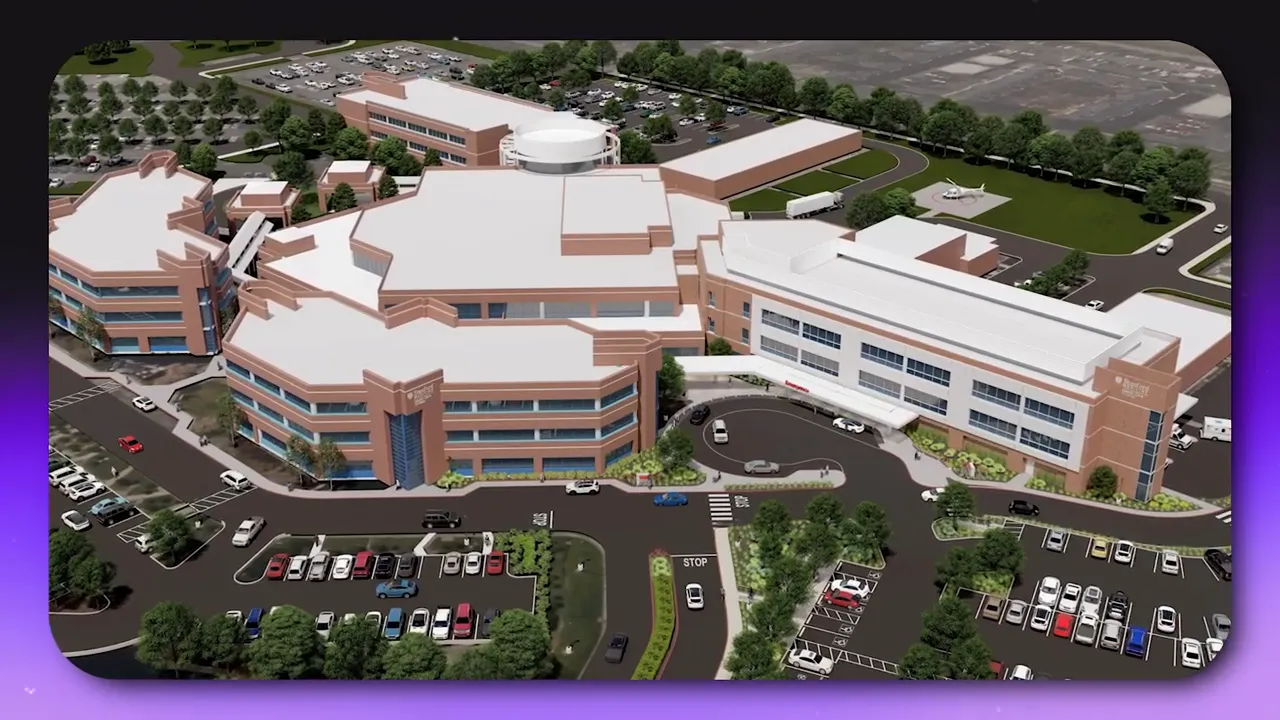
Stanford Health Care’s Redwood City campus is also expanding, with a planned nine-story, 227,000-square-foot medical building. That investment adds another reason to keep an eye on nearby housing demand as the campus grows.
The Woodside Road corridor is another area to follow. Planning initiatives east of Woodside Road envision changes to older light-industrial areas, while streetscape work discussed for Middlefield and Bay Road includes wider sidewalks and bike lanes. The project exhibit gives a sense of how many routes and surrounding blocks are involved.
For a buyer, the practical takeaway is to look beyond today’s listing photos. Consider nearby plans alongside the current neighborhood, commute, and property. For a seller, these developments may be useful context, but they are not a substitute for pricing against recent comparable sales.
What Buyers and Sellers Should Know
If you are selling in a high-demand area with limited inventory, you have leverage, especially if your single-family home is turnkey. But leverage is not permission to choose any asking price. With interest rates still high, buyers can be selective. Well-prepared homes may attract multiple offers, while overpriced properties or those needing work can sit.
For sellers considering the fall market, preparation and neighborhood-specific pricing matter more than a countywide headline. The fall window can be worth discussing before the slower winter season, but the right decision depends on your home and your timing.
If you are buying or moving to Silicon Valley, start by choosing your actual markets. Are you prioritizing a North County tech corridor, or looking for a wider price range in San Jose? Is a particular Peninsula community worth the premium for your needs? Then study recent sales for the type of house you want, not just active asking prices.
Finally, get your financing fully underwritten before the right house appears. In fast markets, you may be competing with two or three other buyers. Knowing your numbers and being ready to write a clean offer puts you in a much better position than trying to make those decisions after a listing goes live.
The cost of living in Silicon Valley becomes much easier to evaluate when you replace one big average with a set of real neighborhood choices. If you want a breakdown for a particular home or community, call or text me at 650-436-4768. We can look at the numbers that actually apply to your next move.
Key Takeaways
- Countywide medians hide major single-family price differences between Silicon Valley neighborhoods.
- San Mateo County had tight supply, while Santa Clara County split between a competitive North County corridor and San Jose’s wider price range.
- A turnkey home priced appropriately can move quickly, but buyers remain selective about condition and price.
- Buyers should compare neighborhood sales and prepare financing before competing for a home.
FAQs About Living in Silicon Valley
What was the median single-family home price in Santa Clara County?
In this September 2026 snapshot, the countywide median was approximately $1.65 million to $1.85 million. Prices differed substantially between the North County tech corridor and neighborhoods across San Jose.
Is San Jose less expensive than Palo Alto?
San Jose offered a wider range of single-family entry points. Some homes in South, East, and Central San Jose were around $950,000 to $1.2 million, while Palo Alto’s single-family median was about $3.5 million. Premium San Jose neighborhoods cost considerably more than the city’s entry-level range.
How quickly were Peninsula homes selling?
Market pace varied by location and property. Turnkey single-family homes in San Mateo County were commonly going pending in about 11 to 14 days. The figures discussed here put Menlo Park at around 10 days and Redwood City at around nine days.
What should I do before moving to Silicon Valley and making an offer?
Choose the specific neighborhoods that meet your needs, review comparable sales rather than relying on county averages, and get your financing fully underwritten so you are prepared when a suitable home appears.